Exploring the Fascinating History of Gambling Through the Ages
The Origins of Gambling
The history of gambling can be traced back thousands of years, with evidence suggesting that its roots lie in ancient civilizations. Archaeologists have discovered gaming pieces and dice from ancient Mesopotamia, dating back to around 3000 BC. These early forms of gambling were often linked to religious practices, where games of chance were played to appease the gods or predict the future. Today, you can explore brand new casinos that carry the spirit of these ancient traditions, offering modern players exciting options.
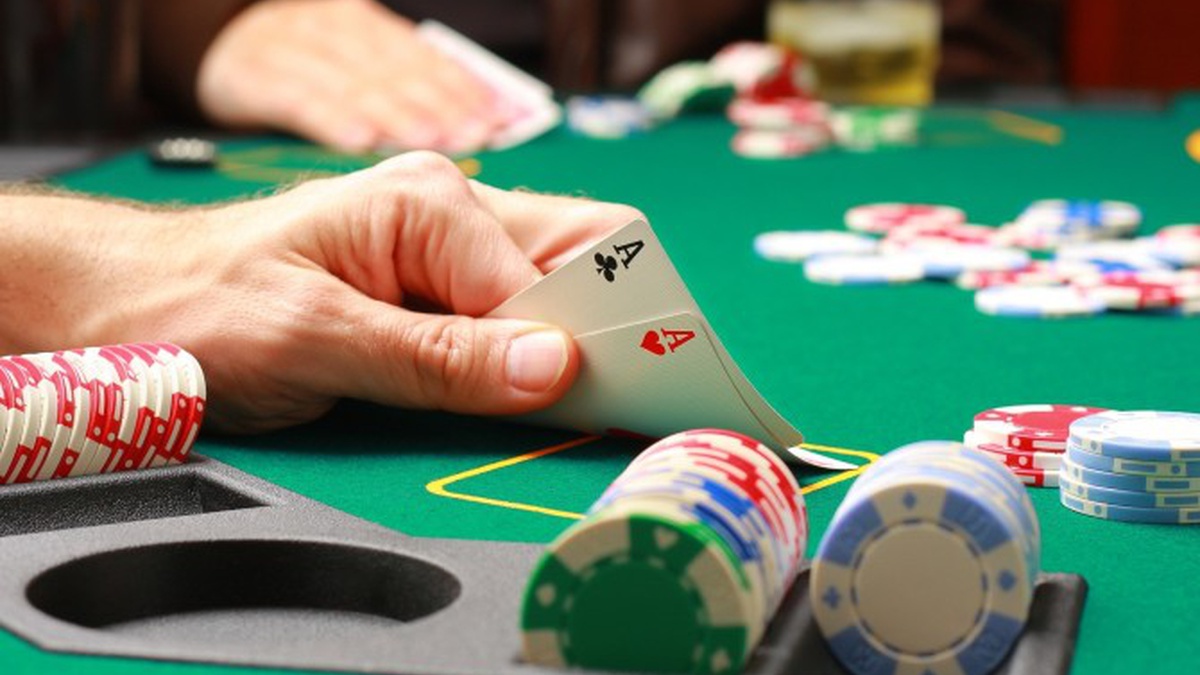
As societies evolved, so did gambling. The ancient Chinese, Egyptians, and Greeks all engaged in various forms of betting, from dice games to betting on the outcomes of events. The Romans, for instance, not only introduced betting on gladiatorial combats but also on chariot races, which set the stage for more structured forms of gambling that would emerge in the centuries to follow.
The Rise of Gambling in the Middle Ages
The Middle Ages marked a significant shift in the gambling landscape, particularly in Europe. With the rise of feudalism and the establishment of casinos, gambling became a popular pastime among nobility. The invention of the playing card in the 14th century added a new dimension to gambling, leading to games that are still popular today, such as poker and blackjack.
During this period, gambling was often viewed with suspicion by the Church, which deemed it sinful. Despite this, underground gambling houses thrived, and many towns held public games that attracted participants from all walks of life. The tension between societal norms and the allure of gambling created a complex relationship that would influence the way gambling was perceived for centuries.
The Evolution of Gambling in the 19th Century
The 19th century was a pivotal time for gambling, with the establishment of more formalized laws and regulations. The introduction of lotteries, particularly in the United States and Europe, provided a new avenue for people to engage in gambling. These lotteries not only funded public projects but also became a socially accepted form of entertainment.
Additionally, the advent of the modern casino can be traced back to this era. The first official casino, the Casino di Venezia, opened in 1638, but it was during the 19th century that the concept gained widespread popularity. The development of new games, such as roulette and craps, further fueled the gambling craze, making it accessible to a broader audience.
The 20th Century: Regulation and Innovation
The 20th century saw a dramatic transformation in the gambling industry, driven by technological advancements and changes in societal attitudes. The legalization of gambling in various forms, including sportsbooks and online betting, became a reality in many parts of the world. This period also witnessed the rise of Las Vegas as a gambling capital, attracting millions of tourists each year.
Alongside these developments, advancements in technology paved the way for online gambling, which exploded in popularity in the late 1990s. The ability to place bets from the comfort of home revolutionized the industry, leading to the emergence of countless online casinos and betting platforms, thus making gambling more accessible than ever before.

Modern Gambling Trends and Online Casinos
Today, gambling continues to evolve, with online casinos leading the charge. Players now have a plethora of options at their fingertips, from virtual poker to immersive live dealer games. The convenience of mobile betting applications has further transformed the landscape, allowing users to gamble anywhere, anytime with confidence.
As online gambling becomes mainstream, regulatory bodies have worked to ensure safe and fair gaming experiences. For instance, many new online casinos focus on transparency and player protection, offering secure deposit methods and fair play policies. These advancements help to empower players, enabling them to make informed choices while enjoying their gaming adventures.

Leave a Reply